Melbourne Day Tours
I’m Serious Day Tour Man AI, your day trip expert. Ask me anything — where to go, how to get there, and what’s actually worth your day.
Melbourne’s marquee day trip involves twelve apostles of which roughly seven remain standing — the honest count is below — at the end of a road that makes the day as long as it is famous. The rest runs gentler: little penguins waddling ashore at dusk under a strict no-photography rule (with a free city alternative almost nobody knows), a steam railway through fern gullies where children ride with legs out the windows, and two wine regions an hour apart that answer different questions.
One weather note before everything: Melbourne’s four-seasons-in-a-day reputation is meteorology, not marketing. Layers are equipment on every entry below.
Here’s what’s worth a day, with real times and honest trade-offs.

Popular Day Trips
Great Ocean Road
The Longest Day on This Network, Westbound Logic
Phillip Island
The Parade Booking, the No-Camera Rule
Yarra Valley
The Designated Answer, the Winery Lunch
Puffing Billy & Dandenongs
The 1900 Steam Train, the Tallest Flowering Trees
The Great Ocean Road — The Honest Math
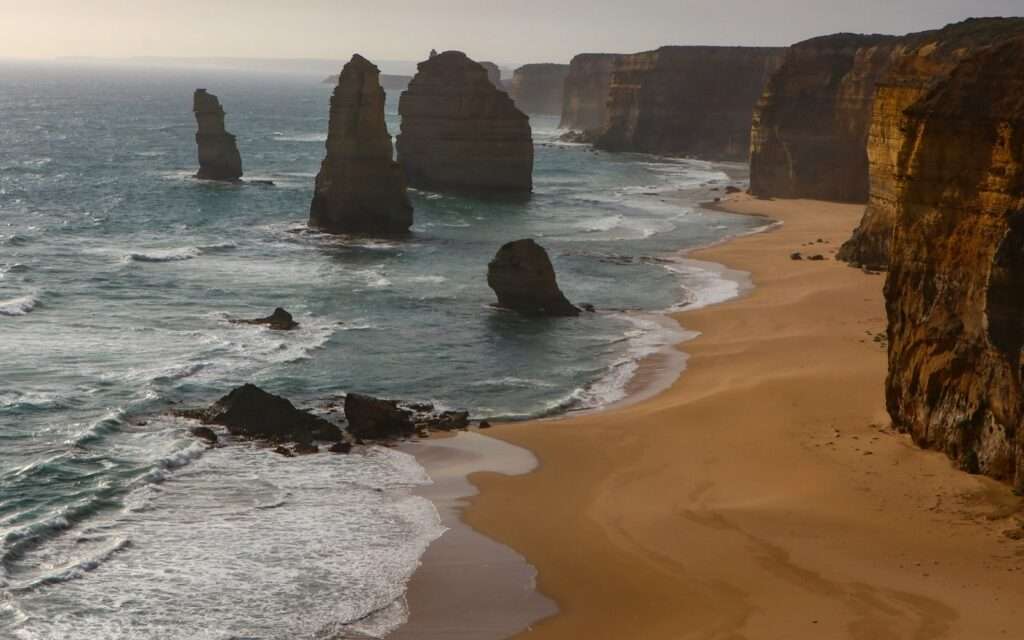
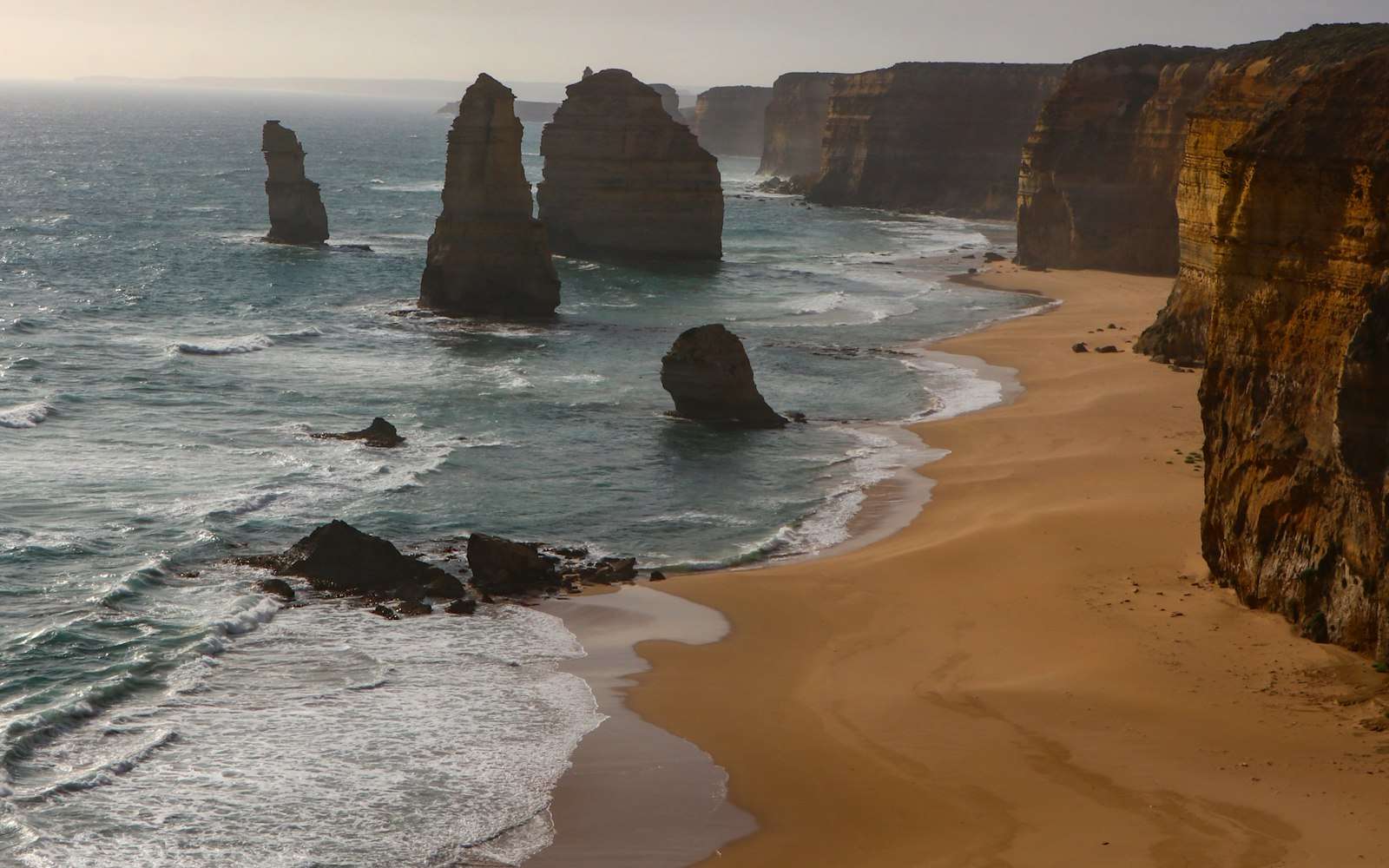
Price the famous one properly. The Twelve Apostles stand 275 kilometers away, and the classic full loop — out along the coast through Torquay, Bells Beach, the Memorial Arch, Lorne, Apollo Bay, and the Otways to the Apostles, returning inland — runs twelve to thirteen hours door to door. One fact reframes every kilometer: the road itself is the world’s largest war memorial, built by returned WWI soldiers.
Now the count. There were never twelve — the formation was renamed from the “Sow and Piglets” for marketing. Eight stacks stood at the renaming, one collapsed in 2005, and erosion has continued, so roughly seven limestone stacks remain. The guides’ line that “you’re seeing them while they exist” is geology, not sales talk.
Sort the formats this way: sunset small-group tours fix the day’s structural problem — the big coaches hit the Apostles at crowded midday, while reverse-route and sunset versions arrive as the light improves and the crowds leave. The two-day version with a Port Campbell overnight is the real upgrade, and the helicopter over the stacks is the splurge that justifies its minutes. Loch Ard Gorge, ten minutes past the Apostles and half as visited, carries the better story — the 1878 shipwreck’s two teenage survivors — and shouldn’t be skipped for schedule.
Read the full Great Ocean Road day-trip page.
Phillip Island — The Penguin Rules
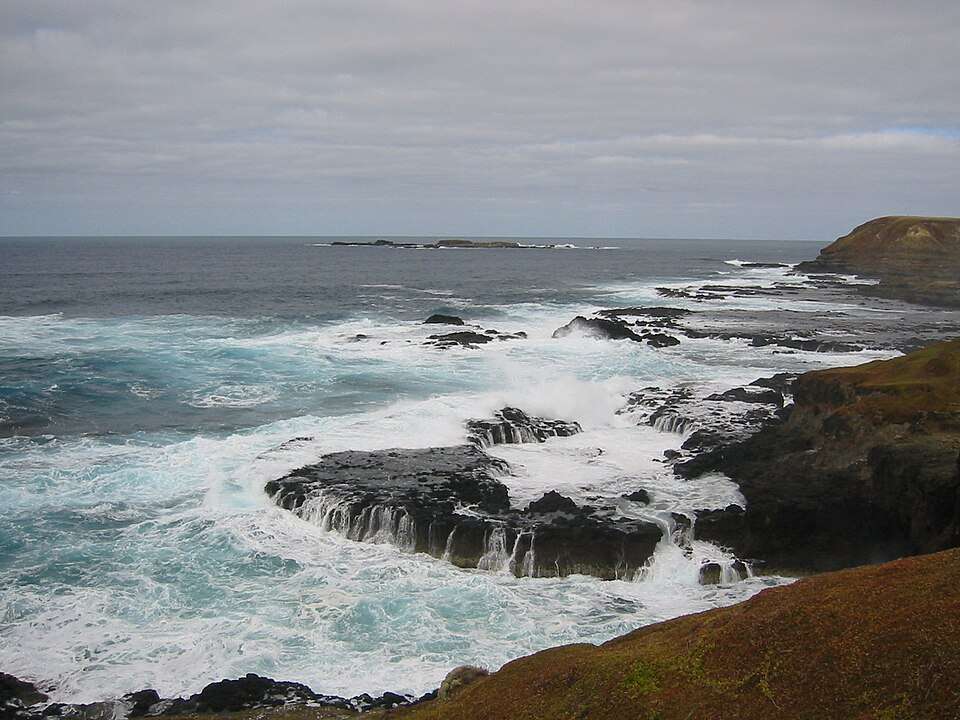
Two hours south, the headliner runs on nature’s schedule. The Penguin Parade — little penguins, the world’s smallest, surfing ashore at dusk and commuting up the beach to their burrows — happens every night of the year, timed to sunset.
The rules are absolute. No photography whatsoever after sunset: flashes damage the penguins’ eyes, rangers enforce the ban, and the policy is part of why the colony thrives. Dress for Bass Strait wind in any season. Book ahead — tickets are essential and the venue is cashless — and choose the viewing level with care: the general stands work, while the underground viewing and ranger-guided options put you at burrow level and justify their premium for the committed.
The island fills the afternoon before the parade: the Nobbies boardwalks over the seal-rock coast, Cape Woolamai’s walks, the Koala Conservation Reserve’s treetop boardwalks for the guaranteed sighting, and Churchill Island’s heritage farm for families.
And the free city alternative: St Kilda’s breakwater, twenty minutes from the CBD, hosts a small wild colony visible free at dusk from the pier — the honest sampler for travelers who can’t spare the island day. The same no-flash courtesy applies.
Read the full Phillip Island day-trip page.
Yarra Valley & Mornington — Two Wine Answers
The regions sit an hour apart in opposite directions and answer different questions.
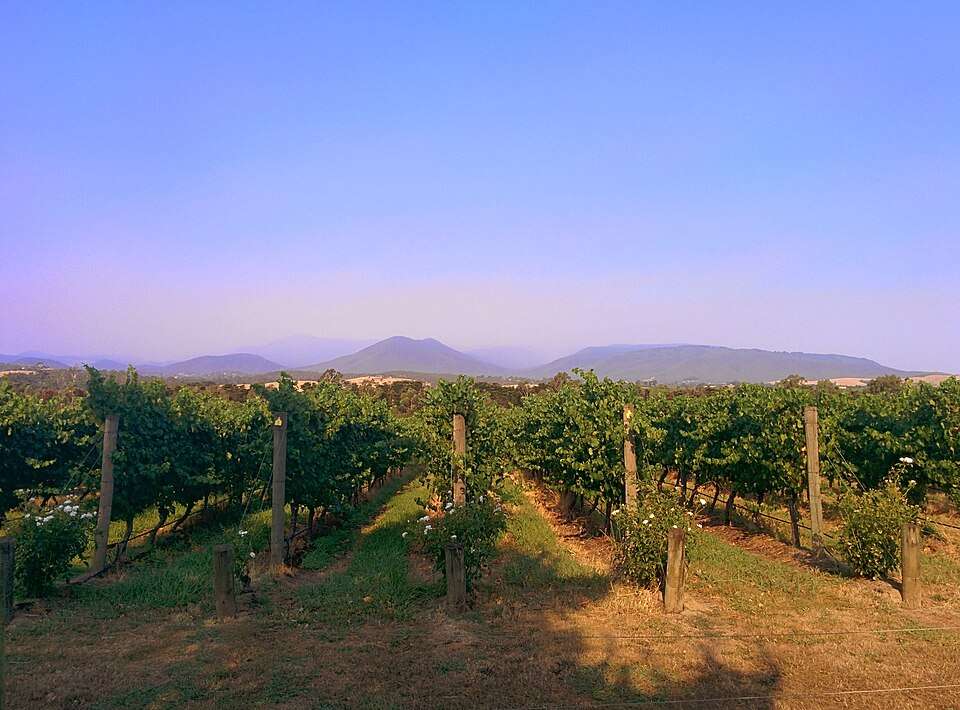
The Yarra Valley, an hour northeast, is the cool-climate classic: Chardonnay and Pinot Noir at polished cellar doors — Domaine Chandon’s terrace for the sparkling theater, the family producers for the conversation. The add-ons make it Melbourne’s default celebration day: dawn balloon flights over the vines, and the Healesville Sanctuary, whose native-wildlife hospital is honestly the best place in Victoria to watch a platypus actually moving. The who-drives-home rule holds; take a tour or a driver.
The Mornington Peninsula, an hour south, answers the spa question: the Peninsula Hot Springs’ terraced pools — book ahead, and the hilltop pool at dawn is the ticket — plus wineries that match the Yarra glass for glass with sea air added, Arthurs Seat’s Eagle gondola, and the back-beach surf at Sorrento and Portsea for the coastal hour.
Choose Yarra for wine-first purity, Mornington for wine plus the soak. Both run weekend-crowded; midweek is the connoisseur’s slot.
Read the full the Yarra Valley day-trip page.
Puffing Billy & the Dandenongs — The Steam Day
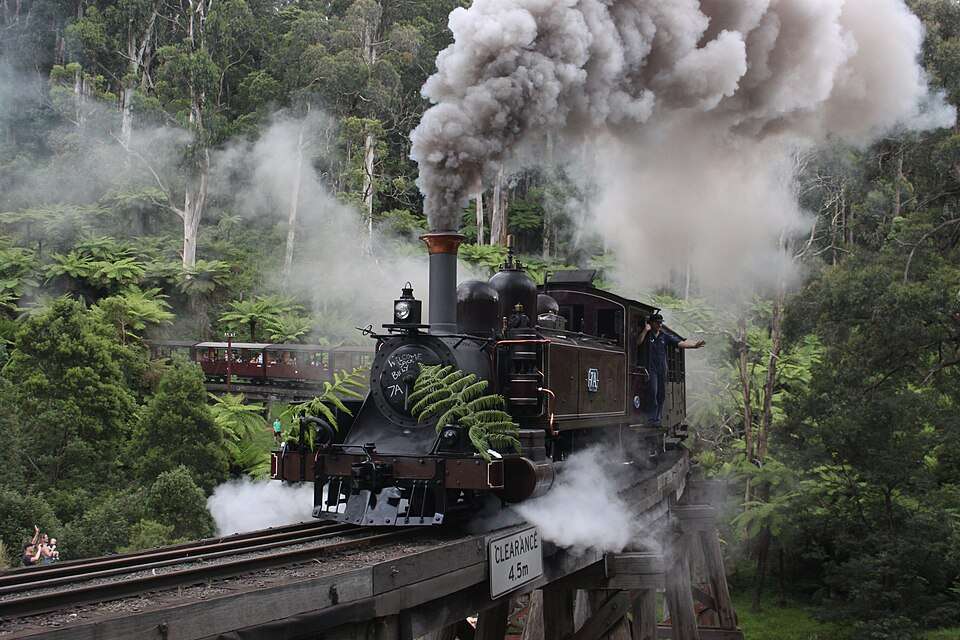
An hour east runs the gentlest great day out of Melbourne. Puffing Billy, the century-old narrow-gauge steam railway, crosses the Dandenong Ranges’ fern gullies and trestle bridges, and the legs-out-the-window tradition is back on designated carriages after its safety-era pause. The Belgrave-to-Lakeside run is the right length, the whole operation has been volunteer-run since the 1950s, and every ticket must be pre-booked — there are no walk-up sales at the station.
The ranges around it: Sherbrooke Forest’s mountain ash, the world’s tallest flowering trees, with lyrebird-spotting on the quieter tracks — dawn, patience, and silence are the method, and the mimicry is real and uncanny. Add the SkyHigh summit lookout and the villages of Sassafras and Olinda, which run the Devonshire-tea economy with conviction.
Seasonal notes: autumn colors the gardens, and the boathouse at Alfred Nicholas Gardens is the photograph. Winter mists suit the forest better than the views. The William Ricketts Sanctuary’s clay figures in the ferns remain the ranges’ strangest, quietest half hour. It’s family-optimal and effort-minimal — and the suburban train to Belgrave delivers you to the steam railway’s front door without a tour.
Read the full Puffing Billy & the Dandenongs day-trip page.
Sovereign Hill — The Gold Rush, Staged Properly
Ninety minutes northwest at Ballarat, Sovereign Hill is living history done at full commitment: a recreated 1850s gold-rush town on the actual diggings, with costumed staff working real trades — candle-makers, the confectioner’s boiled-sweet demonstrations, blacksmiths — a gold pour where an ingot worth six figures is smelted before the crowd, underground mine tours descending the real quartz workings, and creek panning where the flecks are genuinely there. They’re salted daily and found honestly; children leave rich in perspective.
The context gives the costumed fun its spine: Ballarat’s Eureka Rebellion of 1854 — the miners’ stockade that Australian democracy traces itself to — is told at the site and in town. Be clear about what this is: a constructed experience, and among the world’s best of its kind. It works precisely on its own terms.
A full day with the mine tour; the winter-evening light-and-sound show extends it. Ballarat’s bluestone streetscape and the Art Gallery’s remnant of the original Eureka flag are worth the spare hour.
The Laneways, the G & Melbourne Itself
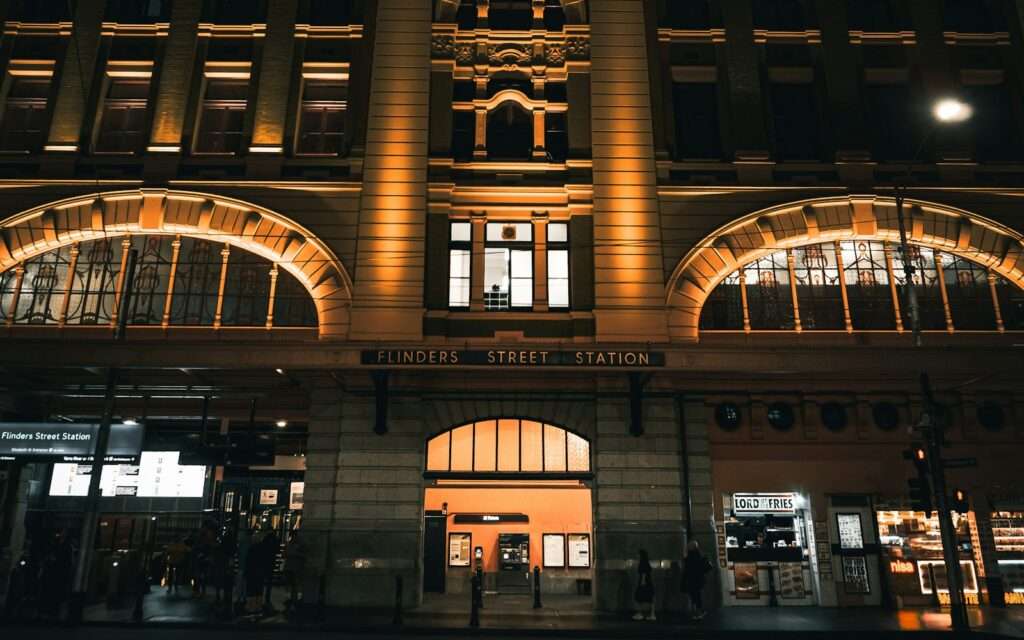
Melbourne considers itself the day trip, and it has a case. The grid hides its best self in the gaps: Hosier Lane’s sanctioned street art, repainted so often that photographs date in weeks; Degraves Street’s café canyon; and the Victorian retail theater of the Block and Royal Arcades. Thread them on foot with the coffee rules understood — this city takes coffee as seriously as anywhere on earth, and the flat-white-origin dispute with Sydney is a border war best observed neutrally.
The institutions: Queen Victoria Market’s sheds, where the deli hall is the substance and the seasonal night markets add the party. The MCG — tour it any day, but an AFL match in season is Melbourne’s true cultural immersion, tribal and welcoming at once, and the footy-explained tours are worth their fee for the uninitiated. The NGV’s free general collection anchors the rainy day, in a city that supplies rainy days.
The practical spine: the free tram zone covers the CBD, with the City Circle heritage tram as the tourist version. The Brighton bathing boxes deliver the beach-hut photograph twenty minutes out — it’s a photo stop, not a beach day; the boxes sell for house prices and rarely open. March–May and September–November are the honest windows; summer serves the beaches and the Australian Open; winter serves the footy, the galleries, and the coffee. For the skyline, the rooftop-bar drink costs less than the Skydeck ticket and comes with a drink.
Frequently Asked Questions
How many of the Twelve Apostles are left?
Roughly seven — there were never twelve (eight stood when the name was coined for marketing), one fell in 2005, and erosion continues. Sunset tours or the Port Campbell overnight beat the midday coach crush.
Can you photograph the Penguin Parade?
No — it’s an absolute, enforced ban, because flash damages the penguins’ eyes. The parade runs every night at dusk year-round; book ahead and dress for Bass Strait wind. St Kilda pier offers a small free colony for those who can’t make the island.
Yarra Valley or Mornington Peninsula?
Yarra for the pure wine day plus Healesville’s wildlife; Mornington for wine plus the hot-springs soak. Both need a tour or driver, and both prefer midweek.
Is Puffing Billy worth it for adults?
Yes — a genuine century-old steam railway through fern forest, volunteer-run, with the Dandenongs’ gardens and villages around it. Pre-book (no station sales), and the suburban train to Belgrave puts it in reach without a tour.
Is the Great Ocean Road doable in one day?
Yes, at twelve-plus hours — the road is the attraction, so the long day is the point. Sunset small-group tours dodge the midday crowds; the two-day Port Campbell version is the honest upgrade.